
Marketing Analytics in 2025: Turning Data into Revenue
In 2025, marketing analytics has evolved far beyond tracking clicks and impressions.
Today’s marketers use data not just to measure performance, but to forecast growth, personalize experiences, and optimize revenue.
The days of “gut-feel marketing” are gone.
Modern brands rely on AI-driven analytics tools to understand what customers want before they even ask for it.
Marketing analytics in 2025 blends artificial intelligence, automation, and human intuition — helping brands make smarter, faster, and more profitable decisions.
In this blog, we’ll uncover how data-driven marketing is reshaping the industry — and how you can use predictive insights to turn analytics into actual income.
1. From Data Collection to Data Intelligence
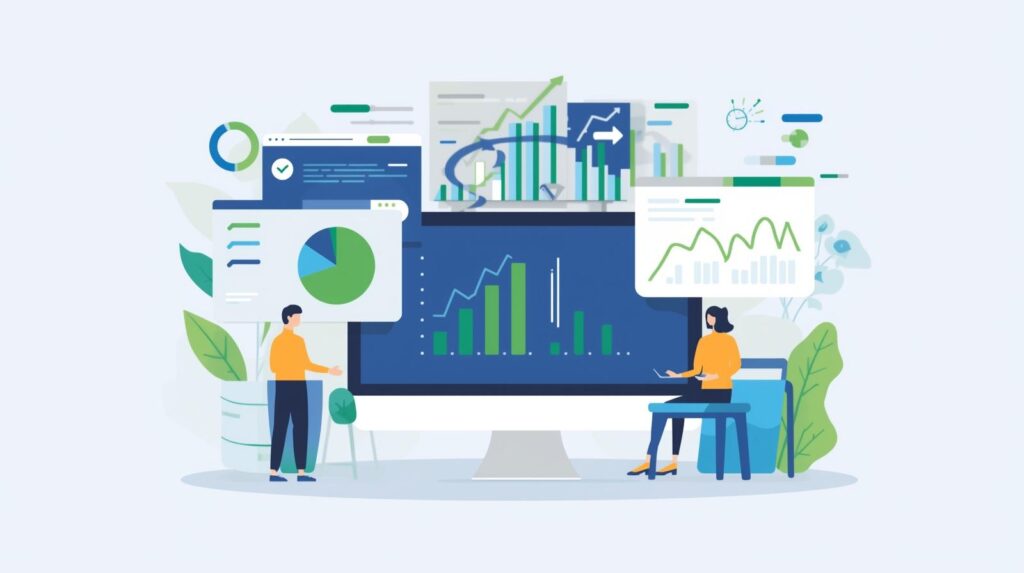
In 2025, collecting marketing data is easy — understanding it is the real power.
Brands no longer drown in spreadsheets.
They rely on integrated dashboards and AI analytics tools that bring everything together — SEO, email, social, ad spend, and conversion data — in one unified view.
Pro Tip: Use Google Analytics 4 (GA4) or HubSpot Analytics to integrate campaign data across all platforms.
Benefit: You get a full-funnel view of customer behavior, from the first click to the final sale.
The focus has shifted from “how many people visited” to “why they visited, what they did, and what they’ll do next. marketing analytics
2. Predictive Analytics: Seeing the Future Before It Happens
The biggest game-changer in marketing analytics 2025 is predictive modeling.
AI can now forecast user actions — like who will buy, churn, or upgrade — with uncanny accuracy.
By analyzing behavioral patterns, marketers can:
Anticipate purchase intent
Optimize ad budgets automatically
Identify high-value customers
Personalize experiences at scale marketing analytics
Example:
An eCommerce brand uses predictive analytics to spot which customers are likely to reorder.
The system sends personalized discount emails — increasing repeat purchases by 38%.
Tools to Try:
Adobe Sensei – AI-powered predictive insights
Salesforce Einstein – Predictive CRM analytics
Kissmetrics – Customer behavior forecasting
EEAT Tip: Mentioning real-world examples and tools signals expertise and trustworthiness.
3. Real-Time Analytics: Making Instant Decisions
Speed is everything in 2025.
Real-time analytics allows brands to make instant, data-driven decisions — whether adjusting ad spend or optimizing campaign performance.marketing analytics
Example Use Cases:
Detecting sudden drops in engagement and fixing them instantly
Adjusting bids during a live campaign
Reallocating budget to high-performing channels
Tool Spotlight: Google Looker Studio and Databox deliver real-time reports with visual clarity.
Result: No more waiting weeks for performance reviews — marketers can now pivot within hours.
4. AI-Powered Dashboards: Smarter Insights, Less Guesswork
In marketing analytics 2025, dashboards are intelligent.
AI-driven platforms don’t just display numbers — they explain what those numbers mean.
Example:
An AI dashboard might alert:marketing analytics
“Your Instagram engagement dropped 12% this week. Posts without video underperformed — consider more Reels.”
That’s not just reporting — that’s recommendation.
Top Tools for 2025:
Tableau AI
HubSpot Smart Insights
Zoho Analytics
Google Marketing Platform
These platforms turn raw data into actionable insights, giving marketers more clarity and confidence in every decision.
5. Unified Cross-Channel Tracking
In 2025, consumers don’t stay in one place — and neither should your data.
Cross-channel analytics tracks every customer journey across multiple touchpoints:
They click a Facebook ad →
Watch your YouTube video →
Visit your website →
Sign up via email →
Purchase through an app.
Without unified tracking, that journey looks disconnected.marketing analytics
Pro Tip: Use UTM tagging + CRM integration (like HubSpot or Zoho) to connect all touchpoints and attribute ROI accurately.
Benefit: You’ll know which channels actually drive revenue, not just clicks.
6. Privacy-First Analytics and Data Ethics
Data privacy has become a defining factor in 2025.
With GDPR, CCPA, and stricter AI ethics laws, brands must handle data with transparency, consent, and respect.
New Focus Areas:
First-party data collection
Cookieless tracking models
User consent management
Pro Tip: Use privacy-first tools like Plausible Analytics or Fathom for GDPR-compliant insights.
EEAT Tip: Transparency = Trust. Show users how their data is used and protected — it enhances both credibility and brand loyalty.marketing analytics
7. Data Visualization: Making Insights Understandable
Data without visualization is just noise.
In 2025, marketers use AI-based visualization tools to simplify complex analytics for teams and clients.
Examples:
Animated charts that track campaign growth
Infographics that showcase ROI visually
Interactive dashboards for real-time presentations
Tool Tip: Try Canva Reports, Power BI, or Infogram to turn analytics into visually engaging storytelling.
Visual storytelling helps teams see opportunities faster — and act smarter.
Marketing analytics in 2025 is about turning complex data into clear action — and clear action into measurable revenue.
With AI, predictive intelligence, and unified dashboards, brands can now move from “what happened” to “what happens next.”
But remember: the best analytics system still needs human creativity to tell the story behind the numbers.marketing analytics
In 2025, the most successful marketers won’t just track performance —
They’ll translate data into growth, trust, and customer delight.
So don’t just collect data. Activate it.
Because in this era of intelligent marketing, data is only powerful when it drives results.